
BrainStorm Documentary Temecula
March 18, 2026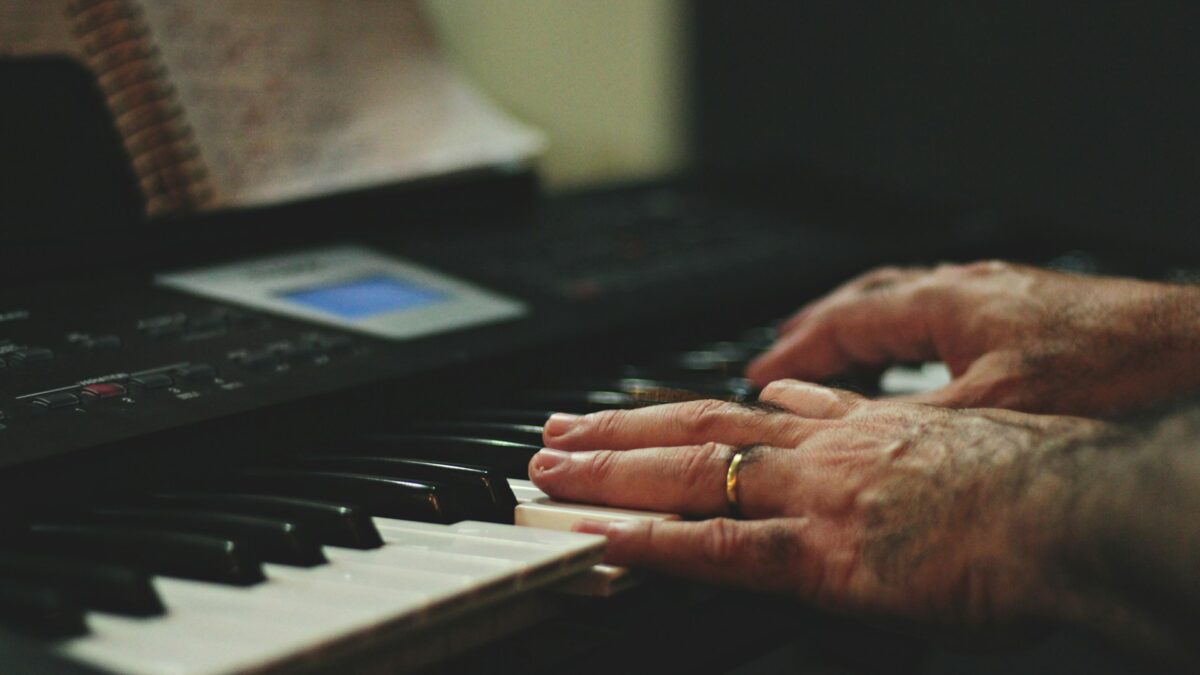

Table of contents
Aging In Harmony
Music has long been a source of joy, nostalgia, and connection. But beyond entertainment, research shows that music plays a powerful role in improving the physical, emotional, and cognitive health of older adults. From memory support to emotional healing, music is increasingly being recognized as a valuable tool in senior care.

How Music Engages the Aging Brain
Listening to music activates multiple areas of the brain simultaneously, helping strengthen neural connections and improve overall brain function. This stimulation is especially important for older adults, as it can help maintain cognitive performance and slow age-related decline.
Music’s ability to trigger memories is one of its most profound effects. Familiar songs can transport individuals back in time, helping those with dementia or Alzheimer’s reconnect with past experiences and loved ones. Structured music therapy programs have even been shown to improve memory and communication in individuals experiencing cognitive decline.
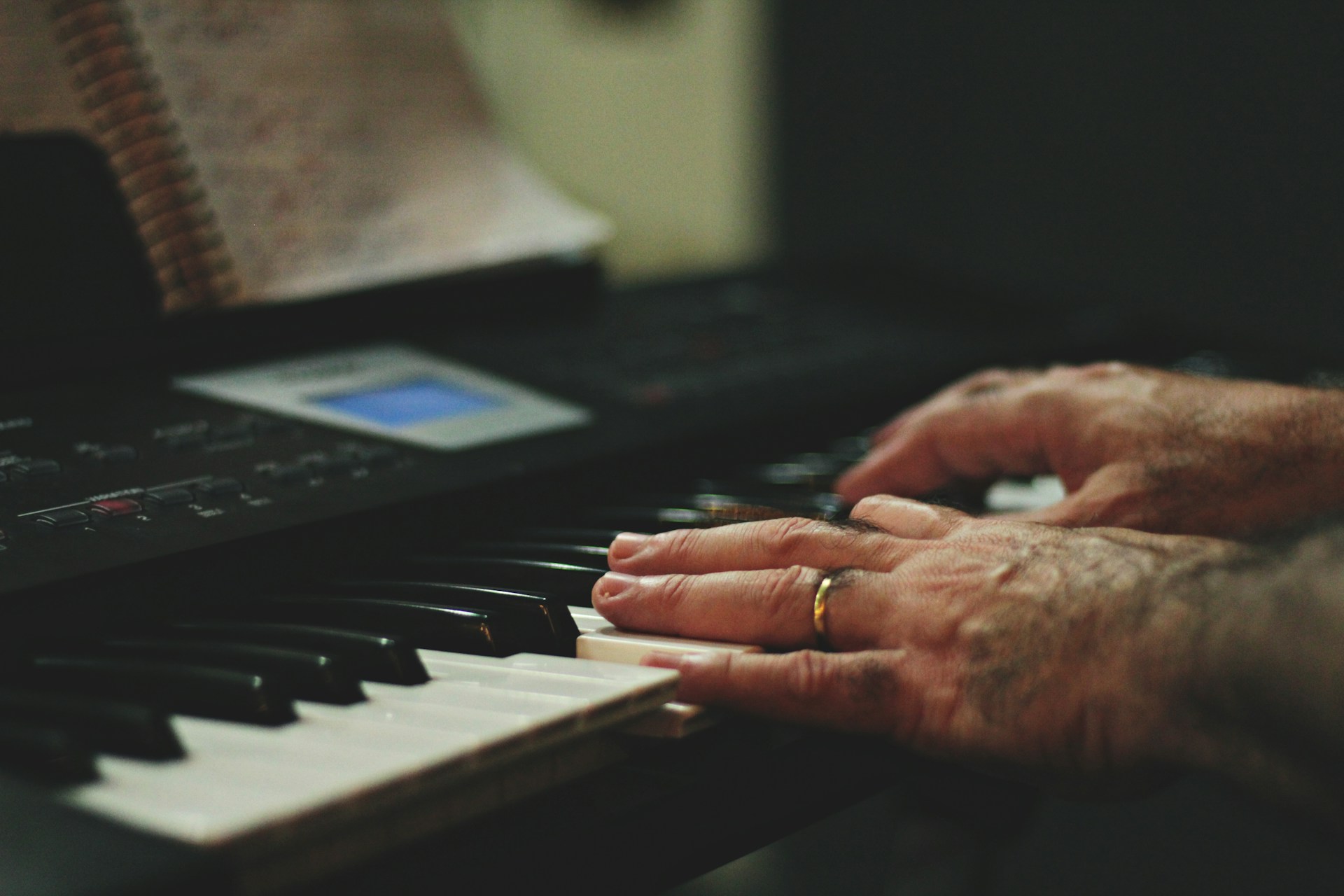
Additionally, learning or playing an instrument later in life can enhance verbal memory, thinking speed, and overall mental agility—demonstrating that it’s never too late to benefit from musical engagement.
Emotional Wellness and Mental Health Benefits
Mental health challenges such as depression and loneliness are common among older adults. Music provides a non-invasive and accessible way to improve emotional well-being. Studies show that music therapy can :
- Reduce symptoms of depression
- Ease anxiety and stress
- Decrease feelings of loneliness
Even simply listening to preferred music can uplift mood, while group activities like singing or choir participation foster social connection and emotional support.
Music also stimulates the release of feel-good brain chemicals such as dopamine and serotonin, which help regulate mood and promote relaxation.
Improving Physical Health and Mobility
Music doesn’t just benefit the mind, it also supports physical health. Rhythm and movement are naturally connected, and engaging with music through dance or instrument playing can improve coordination, balance, and mobility.
For seniors, this can translate into:
- Reduced risk of falls
- Improved motor skills
- Enhanced physical activity
Dancing, even casually at home, provides both cardiovascular exercise and neurological stimulation, making it a fun and effective way to stay active.
Combating Isolation Through Connection
Social isolation is a significant concern among older adults, but music can serve as a bridge to connection. Group music activities—such as singing, drumming, or shared listening sessions—create opportunities for interaction and community building.
These shared experiences:
- Strengthen social bonds
- Encourage emotional expression
- Foster a sense of belonging
Research consistently shows that music-based activities can significantly reduce loneliness and improve quality of life in seniors.
Incorporating Music Into Daily Life
The benefits of music don’t require formal training or professional therapy. Seniors can easily incorporate music into their daily routines in simple, meaningful ways:
- Mindful listening: Use calming music for relaxation or meditation
- Singing: At home or in a group setting
- Dancing: For exercise and enjoyment
Music as a Complementary Therapy
While music is not a replacement for medical treatment, it is increasingly used alongside traditional care. Music therapy programs, led by trained professionals, are now common in hospitals and senior care facilities, addressing conditions such as dementia, depression, and mobility challenges.
By combining emotional engagement, cognitive stimulation, and physical activity, music offers a holistic approach to healthy aging.
Playing an instrument: As a hobby that challenges the brain
Even small, consistent interactions with music can lead to noticeable improvements in mood, memory, and overall well-being.
Learn More
Feel free to contact Advancare to learn more about our upcoming “Memory Care” event and experience the power of music or reach out with any questions you may have. (951) 445 8582
Music has long been a source of joy, nostalgia, and connection. But beyond entertainment, research shows that music plays a powerful role in improving the physical, emotional, and cognitive health of older adults. From memory support to emotional healing, music is increasingly being recognized as a valuable tool in senior care.