

Amy Freitas is a SCSA Certified
September 1, 2026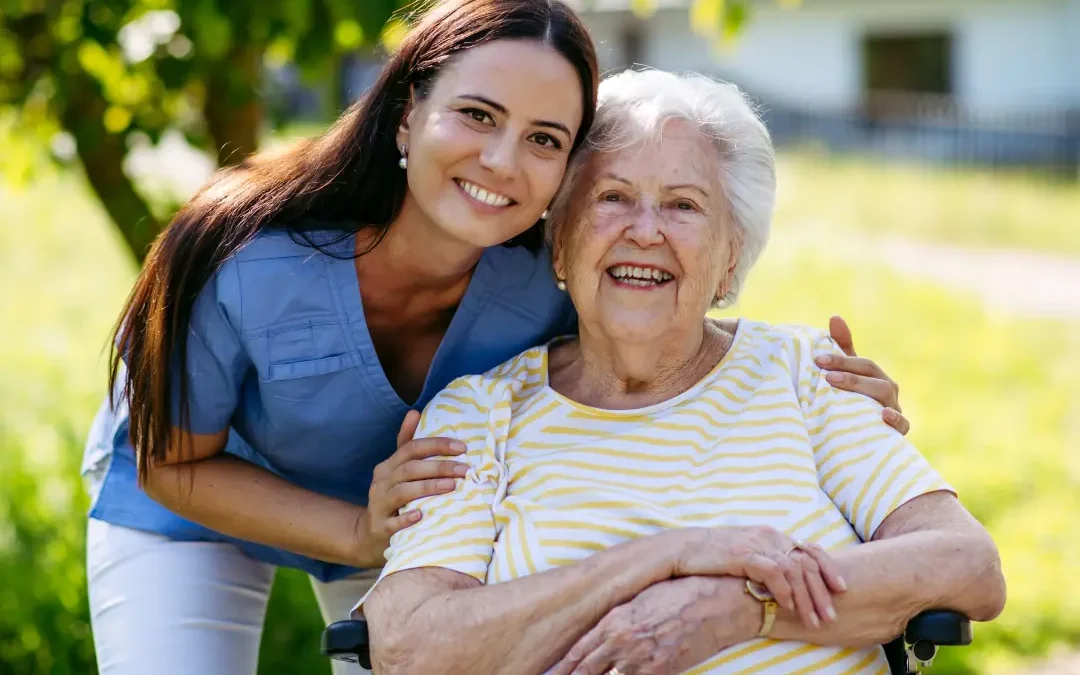

Compassionate Elderly Care & Support at Home
What You’ll Learn
- Elderly care at home means practical, everyday support, personal care, safety measures, and companionship, delivered in the place your loved one already feels comfortable.
- Small safety changes like grab bars, medication organization, and a consistent caregiver presence prevent a lot of the emergencies families worry about most.
- A good care plan protects independence instead of taking it away, built around the specific things a person can still handle on their own.
- We build every plan around a real conversation and a home safety assessment, then adjust it as needs change.
Watching a parent or spouse start to struggle with things they used to do without thinking is hard to sit with. The instinct is often to either do everything yourself or start looking at facilities, when there’s usually a middle path that lets someone stay in the home they know while getting the support that keeps them safe. Elderly care at home is built around that middle path. This guide covers what that support actually looks like day to day, the safety measures that matter most, and how we build a plan around a specific person rather than a generic checklist.

What Elderly Care at Home Actually Looks Like
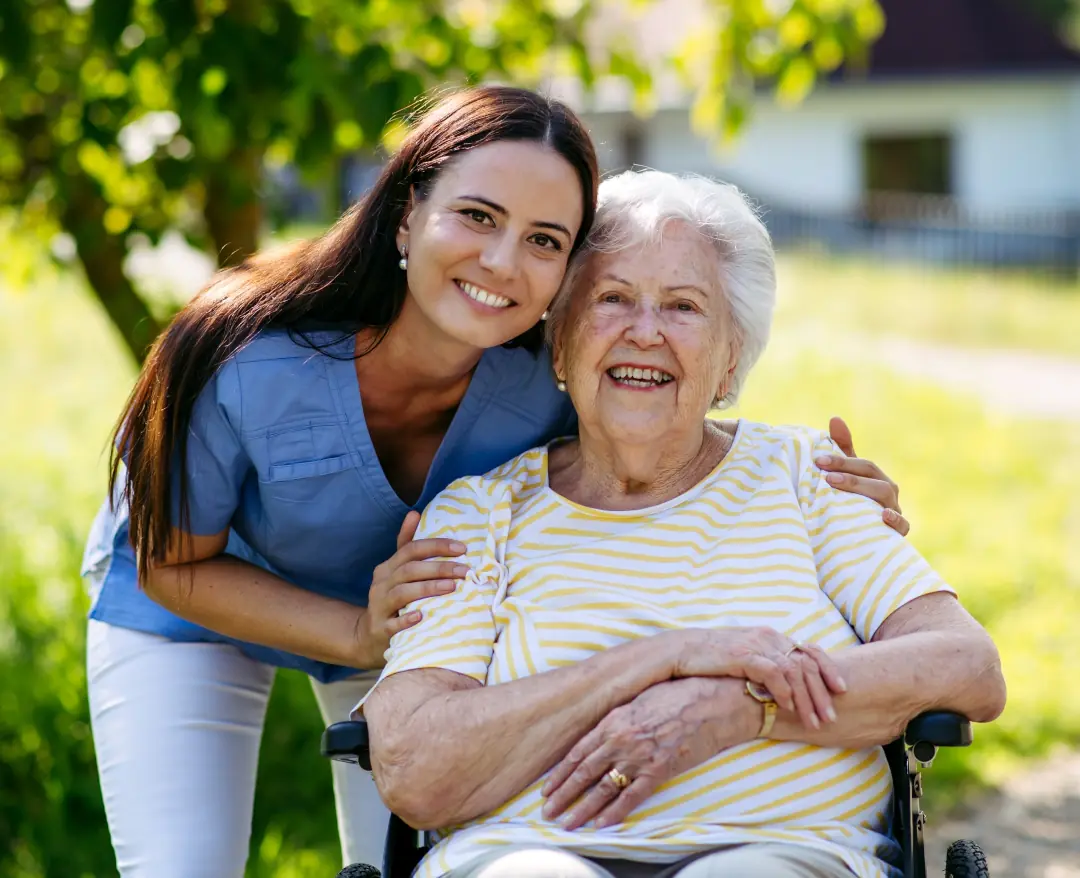
Elderly care at home isn’t one service, it’s a combination of daily tasks and consistent presence that adds up to real safety and dignity. A caregiver isn’t just completing a chore list, they’re also the person who notices when something is off before it becomes a crisis.
Day-to-day compassionate support for seniors generally includes the following:
- Help with bathing, dressing, and grooming while respecting personal privacy and routine.
- Medication reminders so doses don’t get missed or duplicated.
- Meal preparation is built around the client’s actual dietary needs and preferences.
- Light housekeeping that keeps walkways and living spaces clear and safe.
- Transportation to medical appointments and errands.
- Conversation and companionship throughout the day, not just task completion.
- Extra support and supervision for clients living with Alzheimer’s or dementia.
Making a Home Safer for Aging in Place
A lot of the risk in aging at home comes down to a handful of specific, fixable things. Having someone present on a regular schedule also means changes in mobility, memory, or mood get caught early instead of discovered during an emergency.
A few changes make the biggest difference:
- Grab bars in the bathroom and near the toilet reduce the most common fall risk in the home.
- Better lighting on stairs and hallways helps prevent nighttime falls.
- Clearing loose rugs and cords removes common tripping hazards.
- A caregiver who organizes and tracks medications cuts down on missed or duplicated doses.
- Nonslip mats in the shower and tub address a specific, well-documented fall risk.
How Do You Know When a Parent Needs More Support at Home?
There usually isn’t one dramatic moment, it’s a pattern of smaller signs. Missed medications, unexplained bruises, a noticeably messier home, weight loss, or withdrawing from activities they used to enjoy are all worth paying attention to. None of these mean a parent has to leave their home, but they are a signal that some additional, compassionate support for the senior would help. We talk families through exactly this during an initial conversation, since it’s often hard to tell from the inside whether what you’re seeing is normal aging or something that needs a response.
Supporting Independence, Not Replacing It
The goal of good elderly care isn’t to take over someone’s life, it’s to support the parts that have gotten harder while leaving the rest alone. A caregiver who helps with a shower in the morning but lets a client handle their own coffee and crossword puzzle afterward is doing this right. That balance matters for dignity as much as safety. We train caregivers to notice what a client can still do independently and to support that instead of quietly taking it over, which is a different approach than treating every client the same way regardless of ability.
How We Build a Safety Focused Care Plan
Every plan starts with a conversation about the person’s health, routine, mobility, and home environment, often including a walkthrough of the home itself to flag specific safety concerns. From there we put together a schedule, whether that’s a few hours a week for errands and companionship or more consistent daily support for someone managing dementia care or a recent health event. We also coordinate with a client’s physicians when there’s a broader medical picture involved, so the plan at home stays connected to what their care team is actually recommending. If a family isn’t sure in-home support for their seniors is enough and wants to look at assisted living options instead, we can walk through that too.
Serving Temecula, Riverside, and North San Diego Counties
We provide elderly care at home throughout Temecula, Riverside, and North San Diego counties, with plans ranging from a few scheduled hours a week to full 24-hour support. Call (951) 445-8582 to talk through what’s going on with your family right now.
Getting Started
If you’re trying to figure out whether now is the time to bring in support, that conversation alone can bring a lot of relief. Reach out to our team to schedule a home safety assessment and talk through what elderly care could look like for your specific situation, no pressure to commit to anything on that first call.
Frequently Asked Questions About Elderly Care at Home
Talk to Someone Who Understands This
If you’re navigating this for a parent or spouse right now, you don’t have to sort it out alone. Call (951) 445-8582 and we’ll talk through what’s actually going on and what kind of support would help most.
Watching a parent or spouse start to struggle with things they used to do without thinking is hard to sit with. The instinct is often to either do everything yourself or start looking at facilities, when there’s usually a middle path that lets someone stay in the home they know while getting the support that keeps them safe. Elderly care at home is built around that middle path. This guide covers what that support actually looks like day to day, the safety measures that matter most, and how we build a plan around a specific person rather than a generic checklist.